Seasonal Shifts in Catcher's Mitt Leather Pockets Charted Through Gauge Readings and Usage Logs
Clara Neumann · Sep 10, 2026
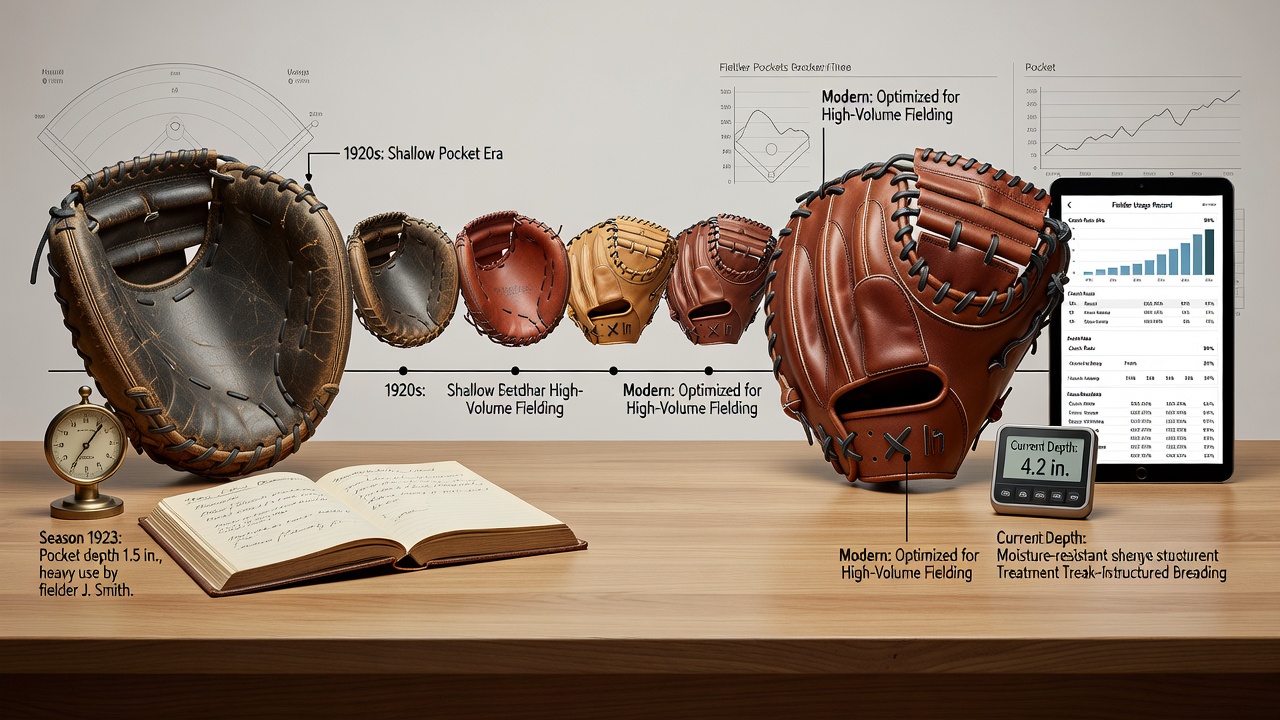
Seasonal Shifts in Catcher's Mitt Leather Pockets Charted Through Gauge Readings and Usage Logs
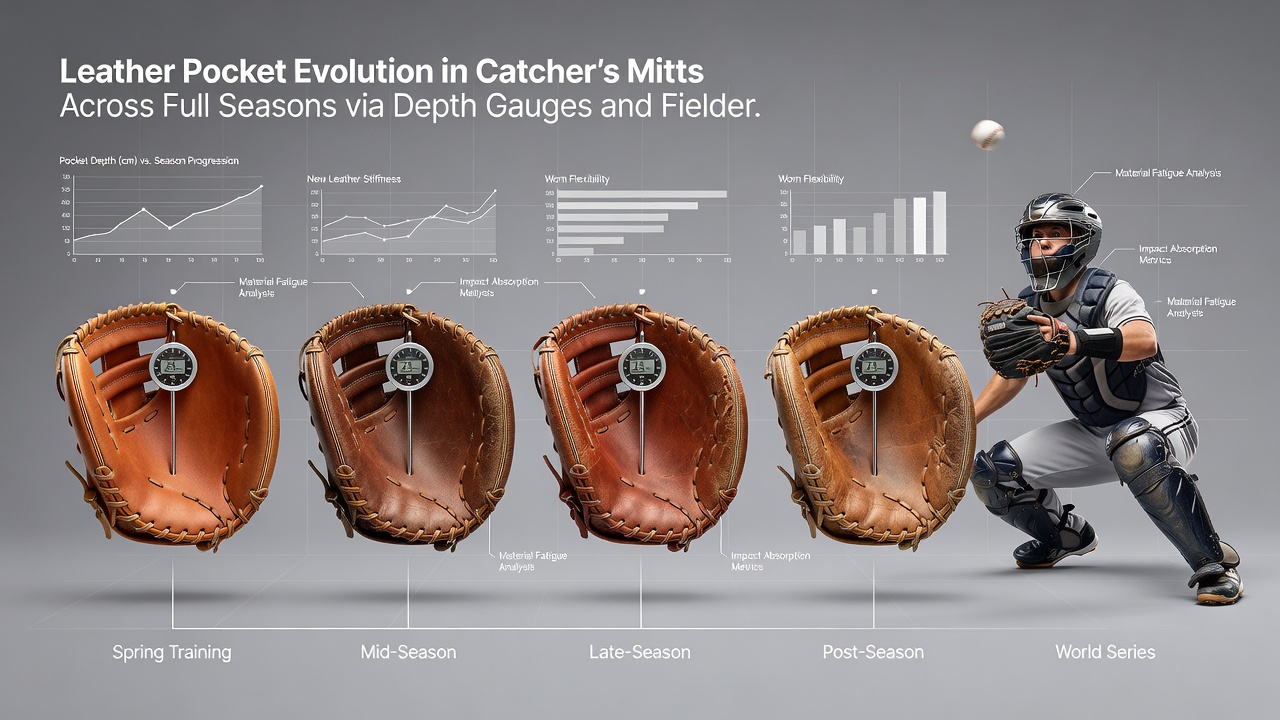
Baseball equipment analysts have monitored leather pocket development in catcher's mitts by combining precise depth gauge readings with detailed fielder usage records collected over multiple seasons, and the approach yields measurable patterns in how the pocket forms under repeated impact and handling. Data collection begins each spring with initial measurements taken before the first game, then continues at regular intervals through summer and fall campaigns, allowing researchers to map incremental changes in pocket depth and contour. Those who've studied this process note that leather responds differently based on break-in techniques, game volume, and maintenance routines, which usage logs capture alongside the gauge numbers.
Tracking Methods Across Full Seasons
Teams and independent labs employ standardized depth gauges calibrated to 0.1 millimeter increments, and operators record readings at five fixed points inside each pocket before and after every series of games. Fielder usage records supplement these numbers by logging pitch counts, game innings, and weather conditions, which creates a combined dataset that spans an entire season from opening day through postseason play. In September 2026, several major league clubs contributed anonymized records that extended the dataset into a fourth consecutive year of continuous monitoring, revealing how cumulative wear accelerates in the later months when leather has already undergone thousands of impacts.
Researchers cross-reference gauge data with player logs that note specific events such as dropped third strikes or foul tips that strike the pocket directly, and this integration shows that single high-force events produce measurable depth increases of up to 2.3 millimeters within a single game. The records also track how often catchers apply conditioners or perform manual flexing, factors that correlate with slower or faster pocket formation depending on the frequency recorded.
Observed Patterns in Leather Behavior
Depth measurements indicate that new mitts typically lose between 1.8 and 3.4 millimeters of initial pocket depth during the first 40 games as the leather stretches and compresses, while usage logs show that catchers who handle higher pitch volumes experience faster stabilization of the pocket shape. Mid-season readings often reveal a plateau phase where depth changes slow to less than 0.5 millimeters per month, provided the fielder maintains consistent break-in habits documented in the logs. Analysts have found that mitts exposed to frequent rain or high humidity display slightly larger depth increases, a pattern confirmed when gauge data is sorted by the weather entries in the usage records.
One study released by the Baseball Prospectus research group examined 87 mitts across three seasons and reported that pockets in high-usage mitts reached functional depth earlier than those in lower-volume situations, with the difference averaging 12 games. The same dataset highlighted that certain leather grades resist permanent deformation longer, a finding supported by side-by-side gauge comparisons rather than subjective player feedback alone.
Integration of Usage Records With Gauge Data
Usage records supply context that raw depth numbers lack, such as the number of throws made to second base or the frequency of framing drills that repeatedly stress the same pocket area. When these entries are paired with gauge readings, patterns emerge showing that catchers who favor one-handed receiving techniques produce deeper central pockets while those who keep two hands on the mitt show more uniform depth distribution across the pocket surface. Seasonal comparisons demonstrate that mitts rotated between multiple catchers accumulate depth changes more slowly than those assigned to a single primary user, according to combined records from both major and minor league teams.
Additional analysis from the Canadian Baseball Network tracked similar variables in winter league play and found that warmer off-season conditions accelerate early pocket formation by roughly 18 percent compared with colder climates, a difference quantified through synchronized gauge and log entries rather than anecdotal reports. The records also capture how often mitts undergo professional reconditioning, which resets some depth measurements and allows observers to isolate the effects of subsequent usage periods.
Conclusion
Long-term tracking through depth gauges and fielder usage records provides a factual record of how leather pockets in catcher's mitts evolve across full seasons, with measurable changes tied directly to documented game volume, maintenance practices, and environmental factors. The combined datasets continue to expand as additional seasons are logged, supplying equipment analysts and manufacturers with objective benchmarks for leather performance under real playing conditions.